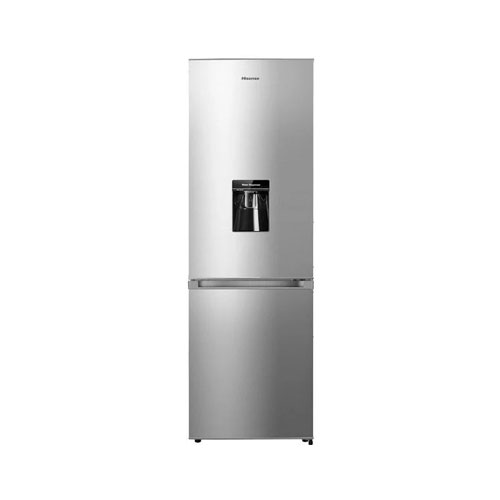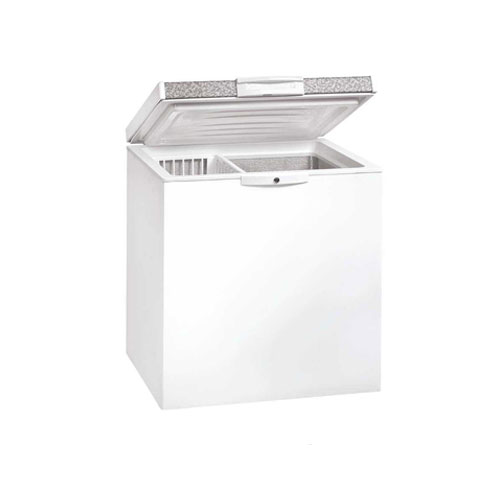
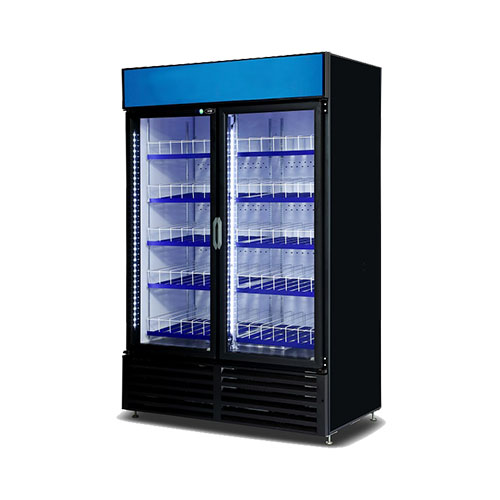
If you have bought a fridge, freezer, display cooler or air conditioner in the last few years, there is a good chance it uses a newer refrigerant such as R290 (propane) or R600a (isobutane) rather than the older gases most technicians grew up with. These newer refrigerants are more energy efficient and far better for the environment. They are also flammable, and that changes how the equipment needs to be serviced.
This is not a reason to worry about the appliance in your kitchen or shop. It is a reason to choose your technician carefully.
Why manufacturers switched
Older refrigerants such as R12, R134a and R404A were developed for performance and safety, but many have a high global warming potential. A kilogram of R404A has thousands of times the climate impact of a kilogram of carbon dioxide. Hydrocarbon refrigerants like R290 and R600a have a tiny fraction of that impact and work very efficiently, so they have become the standard for new domestic fridges and many commercial display coolers worldwide.
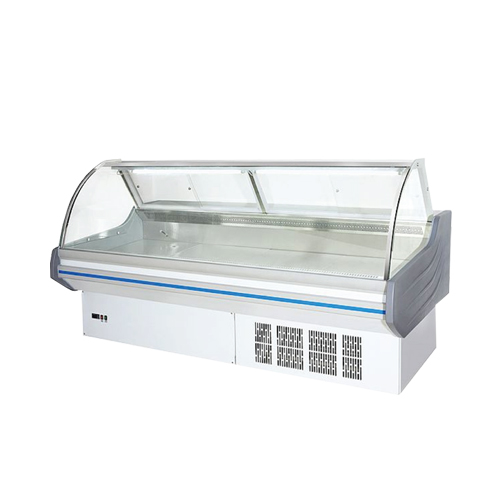
Why 'flammable' is not as scary as it sounds
Hydrocarbon systems hold a small, carefully limited charge. The amount of refrigerant in a domestic fridge is typically measured in tens of grams, and equipment is designed with sealed electrical components so that sparks cannot reach any leaked gas. In normal use these appliances are very safe. The risk appears when someone who does not know what they are doing opens up the sealed system.
What changes for repairs
- Brazing and open flames are dangerous near hydrocarbon refrigerant, so recovery and purging must be done properly before any heat is applied.
- Only spark-safe tools and recovery equipment suited to flammable gases should be used.
- The work area needs good ventilation, and leak detectors must be rated for hydrocarbons.
- Cylinders and charge quantities must be handled according to the equipment's data plate.
- Mixing refrigerants or using the wrong gas in a system is dangerous and can damage the compressor.
A technician working on these systems needs training for it, and the vehicle, tools and insurance need to match. This is also why you should be wary of cheap, unlicensed repairers who quote a quick 'regas'. If a system uses a hydrocarbon refrigerant, regassing it is not a casual job.
What it means for insurance
Because of the extra risk, a business servicing flammable refrigerants should hold cover that reflects it. If something goes wrong on your premises, it matters a great deal whether the contractor was trained and insured for the gas in the system. It is reasonable to ask any contractor about both before they start.
Questions to ask your technician
- Are you trained and equipped to work on flammable refrigerants?
- What refrigerant does my unit use, and how will you handle it?
- Are you insured for this type of work?
- Will you find and fix a leak rather than just topping up the gas?
What you do not need to do
You do not need to replace a perfectly good appliance or avoid buying new ones. Keep the unit ventilated, do not store flammable liquids against it, do not use sharp tools to remove ice and call a professional when something is wrong. That is all.
We are trained and insured to work on modern refrigerants, and we will tell you what a system contains before we touch it. If you are unsure what gas your fridge or cooler uses, the data plate inside the cabinet or on the back will say.
Not sure if this applies to your fridge? Ask us.
Call 083 538 5106