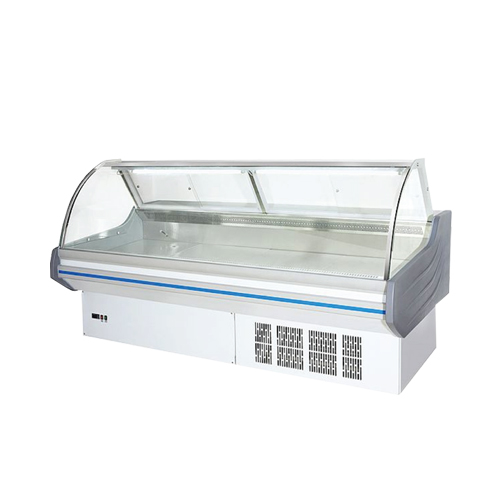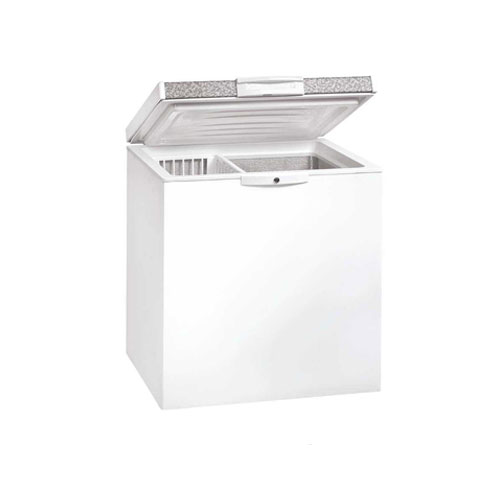
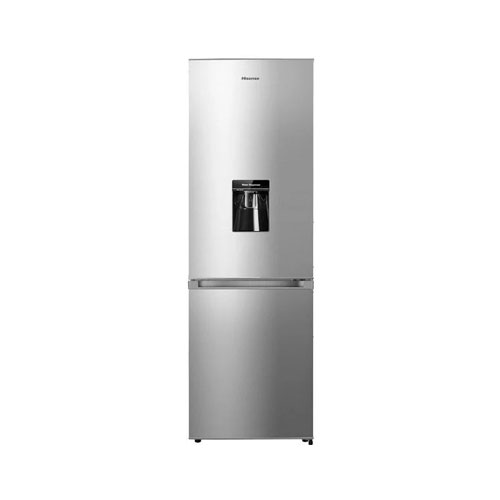
The compressor is the heart of any fridge or freezer. It is the pump that moves refrigerant around the sealed system and pulls heat out of the cabinet. When it starts to fail, it rarely happens overnight. Most of the time the fridge gives you weeks of warning, and the people who catch those warnings early usually save themselves a lot of money and a lot of spoiled food.
Here is what a failing compressor tends to look, sound and feel like, and what you should do about it.
1. It is louder than it used to be
A healthy compressor produces a low, steady hum and then goes quiet when the cycle ends. If you start hearing knocking, rattling, loud buzzing or a harsh grinding sound, something inside is wearing out. Internal bearings, valves and mounting springs all age with use. Do not confuse this with a loose drip tray or a fan blade touching ice, which can make similar noises but are cheaper fixes. A technician can tell the difference in a few minutes by listening at the back of the unit.
2. It never seems to switch off
Compressors cycle on and off to hold temperature. In normal conditions a domestic fridge runs for roughly a third to half of the time, depending on the room temperature and how often the doors are opened. If yours runs almost constantly, the system is struggling to remove heat. That could point to a weakening compressor, but it can also be a dirty condenser coil, a failing door seal or low refrigerant, so it is worth having the cause confirmed before anyone talks about replacing parts.
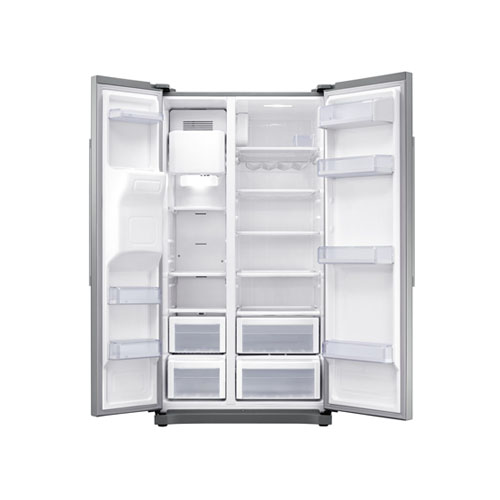
3. The back or sides feel very hot
Some warmth around the back panel and the condenser is normal, because the fridge is rejecting heat there. What is not normal is a compressor housing that is too hot to keep your hand on, or a cabinet that radiates heat from the sides. A compressor that is overheating is working against high pressure, a restriction or worn internals, and it will not last long in that state.
4. Food is not staying cold
This one is easy to miss because it creeps up on you. Milk turns a day or two sooner than it used to. Ice cream is soft at the edges. Vegetables wilt or freeze in odd places. Put a cheap fridge thermometer on the middle shelf. A fridge should hold roughly 3 to 5 degrees Celsius and a freezer minus 18 or colder. If your readings are drifting higher and the settings have not changed, the cooling capacity is dropping.
5. It will not start, or it clicks and stops
A fridge that clicks every few minutes but never settles into a running hum is often telling you the compressor is trying to start and failing. Sometimes the culprit is just the small start relay or overload protector, which is an inexpensive part. Other times the compressor itself has seized. Either way, keep unplugging and replugging to a minimum. Repeated start attempts stress the motor and can make a repairable fault into an expensive one.
What to do when you spot these signs
- Move perishable food into a cooler with ice packs if the fridge temperature is climbing.
- Pull the fridge a little away from the wall and check that the condenser coil and airflow are not blocked by dust.
- Make sure the door seals close tightly on a sheet of paper.
- Write down what you hear, when it happens and how the unit behaves, because it helps the diagnosis.
- Call a technician before the fridge stops completely. A repair done early is almost always cheaper.
Repair or replace?
A compressor replacement on a modern household fridge is a sealed-system repair, which means it needs proper tools, a vacuum pump and refrigerant handling. It is worth doing on a good quality fridge that is still in decent condition. On an old, cheap or heavily corroded unit, the money may be better spent on a replacement. A straightforward quote and an honest opinion on both options is what you should expect from any technician you hire.
We diagnose and repair household and commercial fridges on-site across Durban and the surrounding area. If your fridge is showing two or more of the signs above, call us before it fails on a weekend with a full fridge of food.
Not sure if this applies to your fridge? Ask us.
Call 083 538 5106